
In today’s fast-paced lifestyle, people’s focus on physical health is becoming increasingly diverse. From sedentary office workers to skiing and surfing enthusiasts seeking extreme experiences, to patients and the elderly undergoing rehabilitation, each group has its own unique needs and challenges. Balance boards, as a compact yet versatile training tool, are gradually becoming an ideal choice for various groups to improve stability, coordination, and core strength. However, the motivations, concerns, and training paths of different groups using balance boards vary, and understanding these differences helps in more accurately tailoring training strategies.
Office Balance Training for Sedentary Workers
Lower back fatigue, decreased core strength, and joint stiffness caused by prolonged sitting are common problems faced by most office workers. The emergence of balance boards for office workers provides this group with a low-intensity, high-frequency daily intervention solution. By using a balance board at a standing desk or during meeting breaks, the feet make slight adjustments to their posture, and the body naturally activates the core muscles and lower limb small muscle groups while maintaining balance, thereby relieving muscle tension caused by prolonged sitting.
The training value is mainly reflected in:
- It improves blood circulation in the lower limbs and reduces swelling and soreness caused by prolonged sitting.
- Improve core stability and keep the abdominal and back muscles active in daily postures.
- It promotes joint flexibility, especially the fine-tuning ability of the ankle and knee joints.
Common problems include: initial knee or ankle fatigue, short balance time, and psychological maladjustment. The improvement path is to start with short daily training, first practicing basic standing posture, and then gradually adding slight forward, backward, left and right tilts and slight dynamic movements to gradually improve balance control.
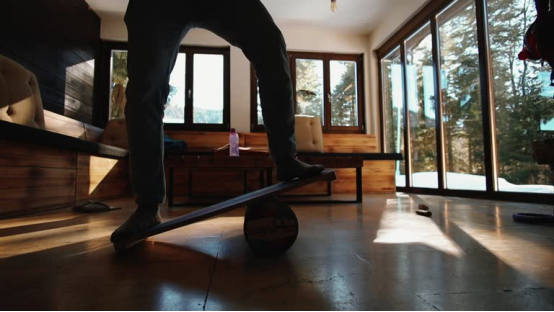
Fitness enthusiasts and improved athletic performance
For fitness enthusiasts, balance boards are not just training aids, but also important tools for improving athletic performance and body awareness. Through balance board exercises, they can enhance core activation and lower limb coordination beyond their regular strength training. Whether it’s squats, lunges, or single-leg stands, the slight swaying of the board makes familiar movements more challenging.
The training value includes:
- Enhance core muscle strength and overall body stability, and reduce postural compensation during training.
- It enhances neuromuscular control, making muscles more agile in responding to unstable environments.
- Strengthening the small muscle groups in the lower limbs helps improve explosive power and balance.
A common mistake is ignoring the amplitude of board sway and attempting high-difficulty movements too early, leading to decreased movement quality or even injury. The recommended approach is to start with basic stance and light dynamic movements, gradually incorporating weighted or cross-training combinations to ensure sufficient adaptation time for the muscles and nervous system.
Runners and Joint Stability Training
During training, the stability of the knee and ankle joints directly affects running efficiency and injury risk. As a joint stability training tool, the balance board can simulate slight unevenness in the ground, forcing the lower limb muscles to constantly fine-tune their center of gravity, thereby strengthening the support chain.
The value of training lies in:
- Improves the dynamic stability of the ankle and knee joints, reducing the risk of sprains and knee pain.
- Enhance hip control and improve stride and running posture stability.
- It improves proprioception, making fine-tuning responses during running faster.
Common challenges include wobbling and nervousness during initial single-leg training, as well as instability due to improper core engagement. The improvement path involves starting with basic two-legged movements, gradually adding single-leg standing or knee raises, and then incorporating dynamic balance exercises to gradually align the training with the demands of a real running environment.
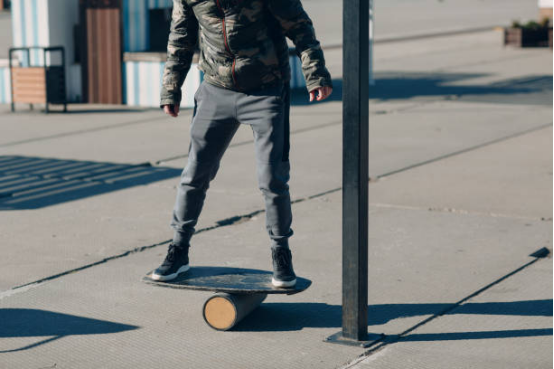
The dynamic balance needs of skiing and surfing communities
Skiers and surfers require extremely high levels of physical responsiveness in unstable environments. Roller boards, or similar balance boards, simulate the dynamic conditions of snow or sea, providing athletes with a safe and controllable training platform. By rolling forward and backward or flipping left and right on the board, trainees not only strengthen their core and lower body but also improve their quick reaction time and fine-tuning of balance.
The training value includes:
- It simulates sudden imbalances during actual exercise, improving the body’s reaction speed.
- Enhance overall coordination, making movements smoother and more precise.
- Strengthen neuromuscular control of the lower limbs and core muscles to improve gliding stability.
A common challenge is mastering the rolling motion initially, leading to imbalance or overcompensation. The recommended approach is phased training, starting with basic wobble board stability control, gradually transitioning to rolling motion, and finally incorporating advanced training in a motion simulation environment.
Rehabilitation patients and functional balance training
In physical therapy and rehabilitation training, balance rehab training is widely used to improve balance function in patients with lower limb injuries, post-joint surgery recovery, and neurological disorders. Through safe and controllable board tilting and slight shaking, patients gradually rebuild proprioception and joint stability under the guidance of a physical therapist.
The training value is mainly reflected in:
- It promotes the recovery of joint range of motion and reduces postoperative stiffness.
- Strengthen your core and lower limb muscles to provide support for daily activities.
- Improve the body’s ability to adapt to unstable environments and reduce the risk of falls.
Common challenges include a lack of psychological security, short initial balance time, and easy fatigue. The improvement approach involves starting with basic movements with low amplitude and both feet flat on the ground, gradually adding slight tilts or short single-leg exercises, combined with breathing and core engagement techniques, making rehabilitation training both safe and effective.
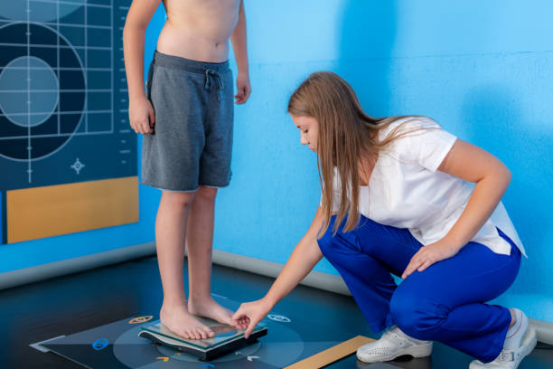
Balance training and fall prevention for the elderly
Decreased balance in older adults is a key factor contributing to falls and motor function decline. Balance boards offer a low-impact, high-feedback training method that effectively stimulates lower limb muscle groups and core strength, improving neuromuscular coordination.
The value of training lies in:
- Improves standing stability and reduces the risk of falls and fractures.
- It activates small muscle groups and core strength, delaying muscle atrophy.
- Enhance proprioception and make daily activities more natural.
Common initial concerns include psychological stress and muscle fatigue. The recommended approach is to begin with low-amplitude balance exercises against a wall or support bar, gradually transitioning to free standing and gentle dynamic movements, and incorporating posture adjustment training into daily life to achieve simultaneous improvement in balance and functional activities.
Conclusion
From sedentary office workers to professional athletes, rehabilitation patients, and the elderly, balance boards have diverse applications. While the motivations of different groups vary, their core value always revolves around improving balance, core stability, and neuromuscular control. Understanding the needs and challenges of various groups helps in more scientifically planning training steps and intensity, transforming the balance board from a mere home fitness tool into an important partner for daily health management and improved athletic performance.
Explore the unique training strategies for the balance board , providing a more comprehensive reference for your balance training journey.